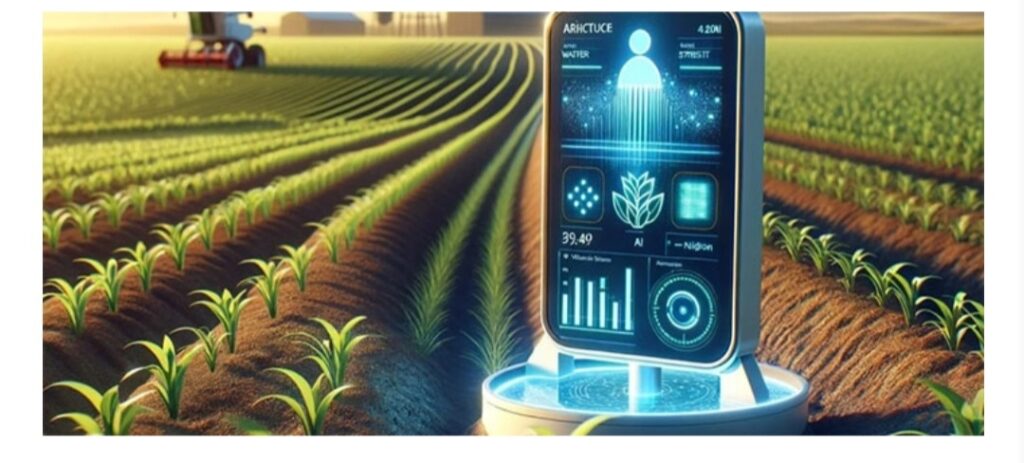
Introduce the challenge of reducing agricultural uncertainty and the need to boost production.
Explain how AI (Artificial Intelligence) and Space Technology (i.e., Satellite Imagery) are fundamentally changing farming.
Mention the shift from traditional, experience-based farming to data-driven, precision analysis.
Section 2: Applications of AI in Agriculture
Pest and Disease Identification: AI apps can analyze pictures of crops and instantly identify the symptoms of a disease or pest, suggesting the correct immediate treatment.
Soil and Fertilizer Management: AI analyzes soil data to determine the precise amount of fertilizer (Precision Fertilization) needed for each plot of land, significantly reducing cost and waste.
Weather Forecasting: AI models provide highly accurate, localized (Micro-level) forecasts for weather and potential hazards (e.g., hail, unseasonal rain), allowing farmers to take timely precautions.
Section 3: How Space Technology (Satellites) Assists
Crop Monitoring: Satellite images provide continuous observation over large farmlands, offering data on crop growth rate, water status, and overall health.
Land Health and Irrigation: Satellites can help determine the soil moisture level and the exact water requirement of crops. This information dictates when and how much to irrigate.
Loss Assessment: Satellite data is invaluable for accurately assessing crop damage after a natural disaster, simplifying the process of insurance claim settlement.
Section 4: Direct Benefits for Farmers
Reduced Production Cost: Precision information leads to lower consumption of fertilizers, water, and pesticides.
Increased Yield: AI-driven management can potentially increase crop yield by 15% to 40%.
Timely Advice: Farmers receive proactive, real-time advice through mobile apps before any problem becomes severe.