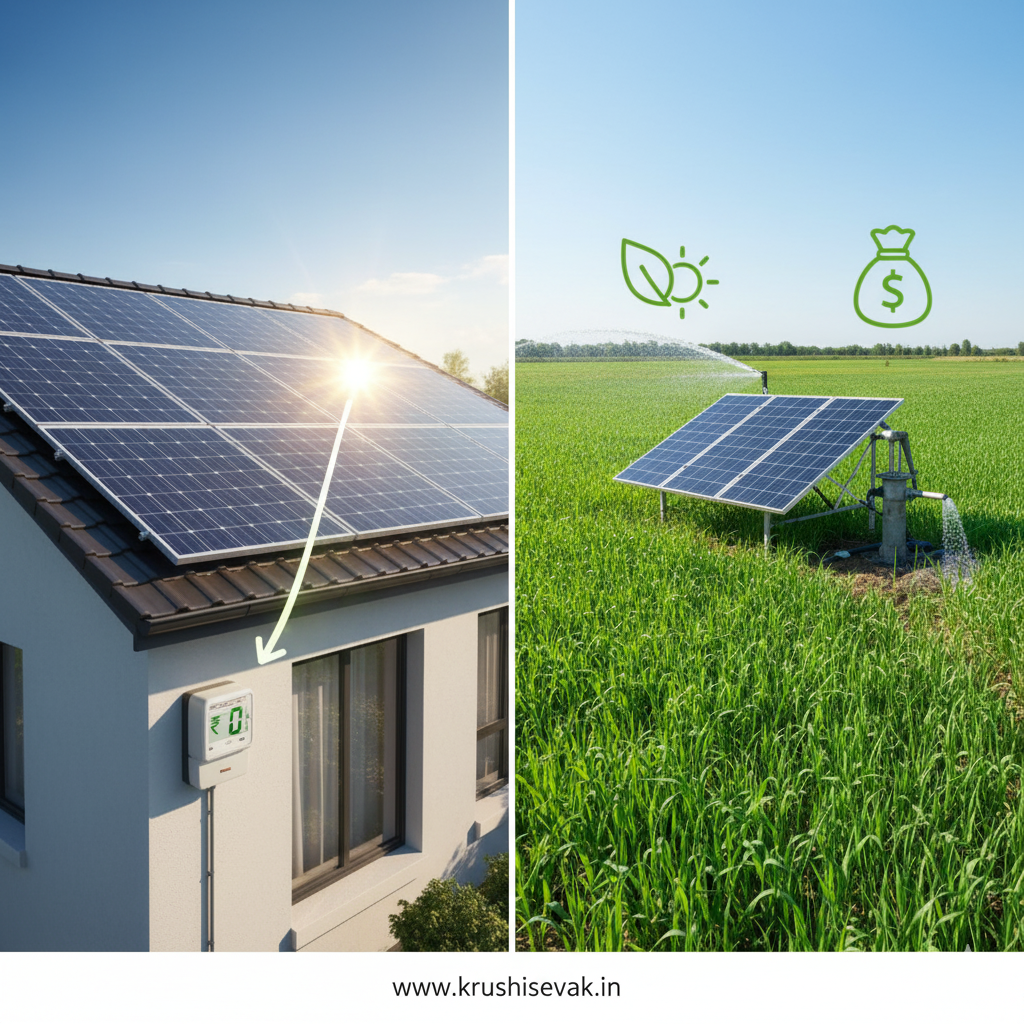

Introduction: The Shift Toward Sustainable Energy
Energy is the fundamental driving force behind both residential comfort and industrial development. For decades, global economies have relied heavily on fossil fuels—such as coal, oil, and natural gas—to power cities, factories, and homes. However, this heavy reliance on traditional energy grids has come at a severe cost. Escalating electricity tariffs, frequent power outages, depleting fossil reserves, and the severe impacts of climate change have made our traditional energy infrastructure unsustainable.
To address these environmental and economic challenges, solar energy (Saur Urja) has emerged as one of the most reliable alternative solutions. By converting sunlight into usable electricity through photovoltaic technology, solar power moves consumers away from centralized utility dependency.
In both urban landscapes and rural agricultural regions, installing a rooftop or ground-mounted solar system provides a permanent solution to high electricity bills. This comprehensive guide outlines the five major benefits of installing solar energy (Saur Urja Basvanyache Fayde), details system maintenance, and highlights how switching to solar power can secure your financial and environmental future.
1. Substantial Reduction in Electricity Bills
The most immediate and tangible advantage of installing a solar energy system is a significant reduction in your monthly electricity expenses.
Turning Sunlight into Financial Savings
Traditional utility companies calculate your monthly bill based on a tiered tariff structure: the more units (kWh) of electricity you consume from the grid, the higher the cost per unit. When you install a residential or commercial solar power plant, your system generates electricity during daylight hours. Your home draws power directly from these panels first.
By using your own self-generated solar energy to run heavy household appliances—such as air conditioners, water heaters, refrigerators, and washing machines—you drastically cut down the number of units you need to purchase from the utility grid.
Long-Term Price Insulation
Utility electricity tariffs tend to rise periodically due to increasing fuel costs and infrastructure upgrades. When you invest in a solar energy system, you essentially purchase 25 years of electricity at a fixed upfront cost. This insulates your household or business from future utility price hikes, turning your roof into a reliable asset that generates financial savings month after month.
2. Earn Through Net Metering and Surplus Generation
Modern solar energy systems do more than just lower your utility bills; they can actively generate credit through a mechanism known as Net Metering.
The Mechanics of Grid Integration
During bright, sunny days, your solar panels often generate more electricity than your household requires at that moment. Instead of letting this surplus energy go to waste, a grid-tied solar system automatically routes the extra electricity back into the local municipal power grid through a specialized bi-directional net meter.
This meter tracks both the units you draw from the utility grid at night and the units you export to the grid during the day.
Financial Adjustments and Credits
At the end of the billing cycle, your local electricity distribution company adjusts your bill based on your net consumption. If you exported more power than you consumed, the surplus units are carried forward as a financial credit to lower your future bills, or they are deposited as direct payouts into your account, depending on local DISCOM policies. This turns solar adopters from passive energy consumers into active clean energy producers.
3. High Return on Investment (ROI) and Asset Appreciation
Many property owners view solar installation as an expensive luxury. However, modern financial analysis shows that solar energy is one of the most secure, high-yield investments available.
Fast Payback Horizon
While setting up solar panels requires an initial capital outlay for panels, inverters, and structural mountings, government subsidies can lower these upfront costs significantly. For an average residential home, the monthly savings on electricity bills allow the system to completely pay for itself within 3 to 5 years.
Long-Term Profit Windows
Since tier-one solar panels carry standard performance warranties of 25 years, your system continues to produce free, clean electricity for two decades after passing the initial payback point. This long lifespan provides an impressive return on investment that consistently outperforms traditional fixed deposits or conservative market mutual funds.
Increased Property Valuation
Real estate studies demonstrate that homes equipped with functional, modern solar infrastructure command higher market valuations and sell faster than properties relying entirely on traditional grid power. Homebuyers view solar panels as a premium upgrade that guarantees low operating costs for years to come, increasing the overall equity of your property.
4. Low Maintenance Costs and High Reliability
A common concern among first-time buyers is the ongoing cost and effort required to keep a solar energy system working efficiently. Fortunately, solar technology is exceptionally durable and requires minimal hands-on maintenance.
No Moving Parts Means Less Wear
Unlike diesel generators or wind turbines, solar photovoltaic systems have no moving mechanical parts. There are no pistons to wear out, no gears to lubricate, and no belts to replace. This lack of mechanical friction dramatically reduces the risk of sudden equipment failure and keeps maintenance costs remarkably low.
Minimal Operational Tasks
The primary maintenance requirement for solar panels is keeping the glass surface clean. Dust, leaves, bird droppings, and industrial pollution can block sunlight and lower the system’s efficiency. Cleaning your panels with a soft cloth and plain water once every two weeks is typically all it takes to keep them operating at peak performance.
The core electronic component—the solar inverter—usually requires a simple inspection or a standard replacement once every 10 to 12 years, making solar power an exceptionally low-effort energy solution.
5. Environmental Sustainability and Carbon Reduction
Beyond the clear financial savings, installing solar energy is one of the most effective steps you can take to lower your carbon footprint and combat climate change.
Minimizing Fossil Fuel Dependency
The vast majority of utility grid electricity is generated by burning coal and natural gas. This industrial process releases tons of carbon dioxide, sulfur dioxide, and nitrogen oxides into our atmosphere, contributing heavily to air pollution and global warming. Solar energy, by contrast, creates clean electricity without producing any harmful greenhouse gases or air pollutants during operation.
Conserving Vital Water Resources
Traditional thermal and nuclear power plants require millions of gallons of water every day to cool their generating machinery. In drought-prone agricultural regions, this heavy water consumption strains local water tables. Solar panels require zero water to generate electricity, preserving precious local water reserves for agriculture, ecosystems, and human consumption. Switching to solar helps create a cleaner, healthier environment for future generations.
Proactive Maintenance Tips for Maximum Efficiency
To ensure your solar energy system delivers optimal power output throughout its 25-year lifespan, follow these proactive maintenance guidelines:
Regular Cleaning Schedule
Dust and debris accumulation can lower your solar panel efficiency by 10% to 20%. Clean your panels early in the morning or late in the evening when the glass is cool; spraying cold water on sun-baked, hot panels can cause thermal shock and crack the glass. Avoid using abrasive brushes or harsh chemical detergents that could scratch or damage the specialized anti-reflective coating on the panels.
Shading and Vegetation Audits
Even partial shading can significantly impact your solar array’s power output. If a single cell in a panel is blocked by a tree branch, it can lower the efficiency of the entire string of panels. Inspect your roof space quarterly and trim back any overgrowing tree limbs that cast shadows on your solar array during peak sunlight hours (from 10:00 AM to 4:00 PM).
Inverter and Wiring Diagnostics
Monitor your solar inverter’s digital display dashboard regularly. Most modern smart inverters include green/red indicator lights or connect to smartphone apps to track daily power generation. If you notice a sudden, unexplained drop in power production on a clear day, look for error codes on the app and contact your installer to inspect the DC wiring connections for any signs of loose joints or pest damage.
Conclusion: Securing Financial and Environmental Independence
Investing in solar energy (Saur Urja) is a smart, forward-looking choice that delivers clear economic and environmental benefits. By upgrading your roof space with solar panels, you protect yourself from rising utility bills, earn credits through net metering, and increase your property’s value.
With low ongoing maintenance needs and a reliable 25-year operational lifespan, solar energy transforms an unpredictable monthly expense into a secure financial asset. Embracing solar technology allows homeowners, business owners, and farmers to lower their production costs, build long-term energy independence, and contribute directly to a cleaner, more sustainable world