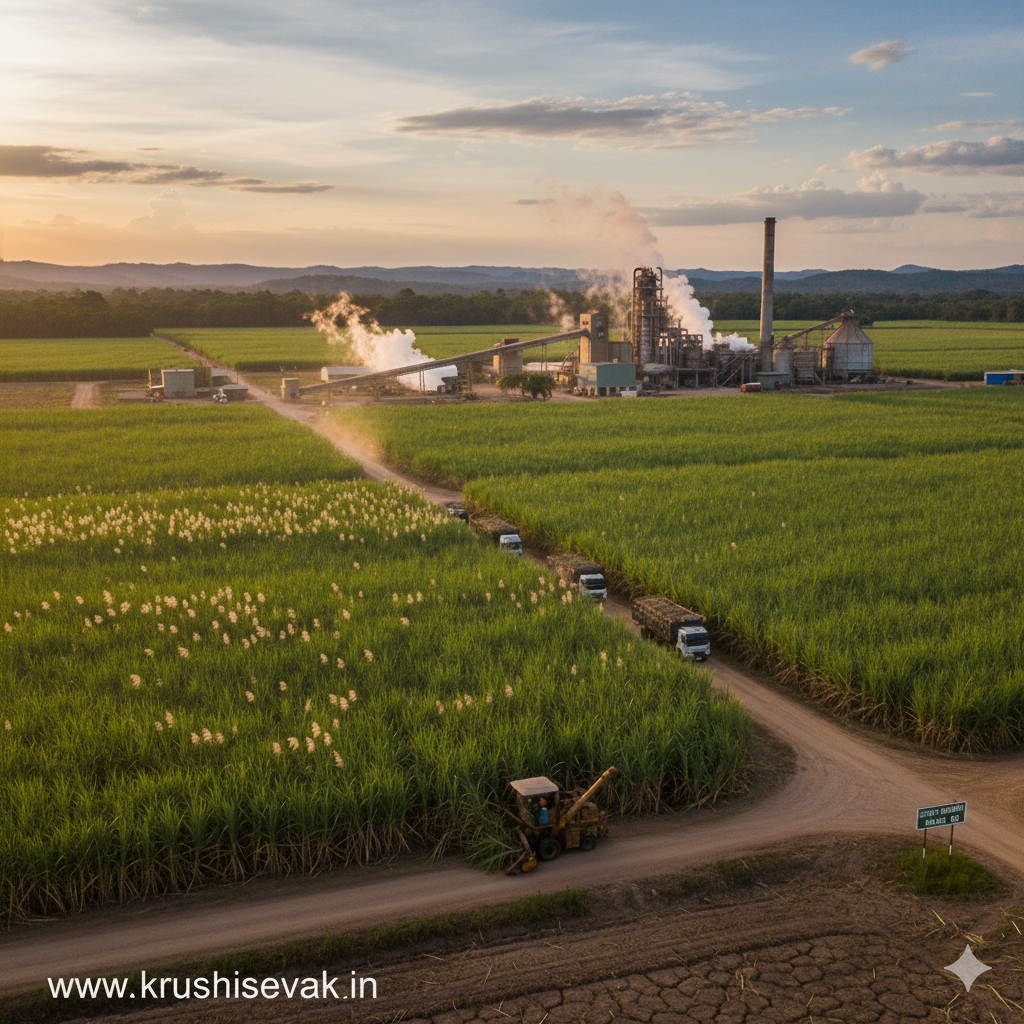

The modern sugar industry has evolved far beyond the traditional scope of crushing sugarcane to produce crystalline white sugar. Today, it stands as a sophisticated, multi-product agro-industrial complex. The global shift toward sustainable development, circular economy principles, and renewable energy has transformed sugar mills into biorefineries. In this transformed landscape, “allied agricultural businesses” play a crucial role. These businesses leverage the byproducts, co-products, and auxiliary streams of sugar processing to create independent, high-value value chains.
In a traditional single-product setup, sugar mills are highly vulnerable to cyclical weather patterns, fluctuating global commodity prices, and volatile agricultural yields. Developing a strong allied business structure changes this dynamic. By utilizing every element of the sugarcane plant—from the fibrous stalk to the nutrient-rich press mud and volatile molasses—operators can diversify their revenue streams. This approach helps stabilize cash flows, improves the economic viability of farming communities, and directly supports global decarbonization efforts.
The Concept of a Sugarcane Biorefinery
To understand the opportunities within this allied sector, one must view sugarcane not merely as a source of sweetness, but as an exceptionally efficient converter of solar energy into biomass. The concept of a sugarcane biorefinery relies on processing this biomass to maximize value while minimizing waste.
When sugarcane enters a processing facility, it is separated into sugar juice and a variety of secondary materials. In a basic mill, these secondary materials are often treated as waste or low-value fuel. In a modern allied business model, however, they serve as the foundational raw materials for several interconnected industries:
- Bagasse: The fibrous residue left behind after extracting the juice.
- Molasses: The thick, dark syrup remaining after the final sugar crystallization stage.
- Press Mud (Filter Cake): The compressed residue obtained from purifying the raw sugarcane juice.
- Spent Wash / Vinasse: The liquid waste generated during the distillation of molasses or sugarcane juice.
By deploying specialized technologies, allied businesses transform these co-products into green energy, bio-fuels, organic fertilizers, industrial chemicals, and eco-friendly consumer goods.
Core Pillars and Structured Opportunities
1. Bio-Ethanol and Green Distilleries
The production of bio-ethanol from sugarcane molasses, juice, or syrup represents one of the largest and most financially lucrative allied opportunities within the agro-industrial sector.
- Fuel Blending Frameworks: Driven by national mandates like India’s Ethanol Blending Programme (EBP) and similar initiatives across Brazil and the United States, demand for fuel-grade ethanol has grown significantly. Allied businesses can establish high-capacity distilleries integrated with existing sugar mills to capture this market.
- Feedstock Flexibility: Modern distilleries are engineered to handle various feedstocks depending on market dynamics. When sugar prices are low, mills can divert heavy sugarcane juice or B-heavy molasses directly into ethanol production. This flexibility helps optimize profits while preventing market oversupply.
- Industrial and Pharmaceutical Alcohol: Beyond fuel, distilleries can refine ethanol into Extra Neutral Alcohol (ENA). This highly purified alcohol serves as a key raw material for the beverage industry, cosmetics, and pharmaceutical manufacturing.
2. Cogeneration of Biomass Power
Sugarcane processing requires significant amounts of thermal and electrical energy. Fortunately, the crop inherently provides its own fuel source in the form of bagasse.
- High-Efficiency Boilers: By installing high-pressure, high-efficiency co-generation boilers, modern sugar mills can generate far more power than required for their internal operations.
- Grid Export Mechanisms: The surplus electricity generated from burning bagasse can be exported directly to the commercial power grid through long-term Power Purchase Agreements (PPAs) with state or private utilities. This transforms the facility into a reliable provider of base-load renewable energy.
- Off-Season Processing: To maintain a steady stream of power revenue outside the standard 4-to-6-month sugarcane crushing season, allied businesses can adapt their boilers to burn alternative agricultural residues, such as cotton stalks, paddy straw, and wood pellets.
3. Compressed Biogas (CBG) and Bio-CNG
The green energy sector offers significant potential for utilizing press mud (filter cake), a solid residue rich in organic matter that was historically returned directly to fields as a raw soil conditioner.
- Anaerobic Digestion Technology: By subjecting press mud to controlled anaerobic digestion, allied operations can produce biomethane. This gas is then purified to remove carbon dioxide and hydrogen sulfide, yielding Compressed Biogas (CBG) with a methane purity exceeding 90%.
- Commercial Transport Fuel: CBG can be compressed and filled into cylinders or piped directly to commercial fuel stations, serving as an eco-friendly alternative to fossil-derived CNG for transport and industrial heating.
- Industrial Symbiosis: Integrating a CBG plant with a sugar mill creates a closed-loop system where the organic waste from sugar purification fuels the local transport and logistical network.
4. Bio-Fertilizers and Sustainable Soil Management
The processing of sugar and ethanol generates significant secondary streams that can be converted into high-grade organic inputs for agriculture, returning vital nutrients to the soil.
- Prometed Organic Enrichment: The nutrient-rich digestate left behind after CBG production, combined with treated press mud, can be enriched with nitrogen-fixing bacteria and phosphate-solubilizing microbes to create premium bio-fertilizers.
- Potash Recovery from Distilleries: Distillery spent wash is traditionally difficult to manage due to its high chemical oxygen demand (COD). However, it is an exceptional source of potassium. By deploying Incineration Boiler technologies or Spray Drying systems, allied businesses can recover pure ash rich in potash (KS), providing a local alternative to expensive imported chemical fertilizers.
5. Advanced Bio-Plastics and Biochemicals
As global consumer brands actively seek alternatives to petroleum-based plastics, the biochemical potential of sugarcane chemical chains has expanded rapidly.
- Polylactic Acid (PLA) and Bio-PE: Sugarcane sucrose can be fermented into lactic acid, which is then polymerized to create Polylactic Acid (PLA)—a fully biodegradable plastic alternative used in food packaging, textiles, and 3D printing. Similarly, ethanol can be converted into bio-ethylene to produce Bio-Polyethylene (Bio-PE).
- Specialty Chemicals: The organic acids, solvents, and furfural derivatives extracted from sugarcane biomass serve as essential building blocks for green solvents, resin binders, and eco-friendly adhesive manufacturing.
Operational and Supply Chain Structure
To build a successful allied agricultural business in the sugar sector, operators must implement a highly structured and resilient operational framework. Because these businesses rely heavily on seasonal agricultural inputs, supply chain management is critical to long-term profitability.
The Hub-and-Spoke Sourcing Model
A primary challenge for sugar-allied industries is the seasonal nature of the sugarcane harvest, which typically lasts only 120 to 180 days a year. To keep high-capital assets like CBG plants or advanced chemical refineries running year-round, businesses often use a hub-and-spoke sourcing model.
Under this structure, the central biorefinery acts as the hub, sourcing primary raw molasses or press mud from its parent sugar mill during the crushing season. During the off-season, the facility switches to secondary spokes—drawing stored molasses, alternative agricultural residues, or food processing wastes from a wider geographic radius to maintain steady production.
Smallholder Farmer Integration
The success of a sugar biorefinery is deeply linked to the productivity of its local farming network. Leading allied businesses secure their supply chains by offering comprehensive support programs to smallholder farmers.
These programs provide farmers with high-yielding, disease-resistant sugarcane varieties, specialized micro-irrigation systems, and advanced soil testing services. By helping farmers increase their yield per acre, the business ensures a steady supply of raw materials for its processing plants while boosting rural household incomes.
Financial Viability and Investment Drivers
Investing in sugar-allied agricultural businesses requires significant initial capital, but it offers diverse, resilient revenue streams that can shorten payback periods.
- Risk Mitigation via Diversification: When global sugar markets face an oversupply and prices drop, an integrated biorefinery can pivot its operations. By shifting raw sucrose away from crystal sugar and toward fuel ethanol or bio-plastics, the business insulates itself from commodity price crashes.
- Carbon Credits and Green Financing: Because these allied businesses produce renewable energy, bio-fuels, and organic soil inputs, they qualify for international carbon credit monetization. Furthermore, these initiatives are excellent candidates for green bonds and sustainability-linked institutional loans, which often feature lower interest rates and longer repayment timelines than traditional commercial financing.
- Government Subsidies and Tax Incentives: Many governments support bio-fuel and bio-gas infrastructure through targeted policies. These incentives include accelerated depreciation on machinery, long-term price guarantees for ethanol and CBG purchases, and exemptions from specific manufacturing and environmental taxes.
Environmental Sustainability and Circular Economy Integration
The transition from a traditional sugar mill to an integrated allied agribusiness represents a practical application of circular economy principles. In this ecosystem, the concept of industrial waste is virtually eliminated.
As illustrated, the system cycles nutrients and energy continuously. The carbon dioxide released during ethanol fermentation or bagasse combustion is naturally recaptured by the next season’s sugarcane crop through photosynthesis, creating a balanced, low-emission carbon cycle. By replacing fossil fuels with bio-ethanol and bio-CNG, and replacing chemical inputs with potash-rich bio-fertilizers, these allied operations help lower the carbon footprint of both the agricultural and transport sectors.
Key Challenges and Mitigation Strategies
While the opportunities are significant, setting up and operating a sugar-allied agribusiness involves navigating several complex industrial challenges.
1. Feedstock Availability and Climate Volatility
Sugarcane production depends heavily on predictable monsoons or stable irrigation networks. Severe droughts or pest outbreaks can cause sharp drops in cane availability, leaving integrated biorefineries short of raw materials.
- Mitigation Strategy: Businesses should invest in developing drought-tolerant transgenic cane varieties and encourage farmers to adopt subsurface drip irrigation. Additionally, refining facilities should be engineered with multi-feedstock flexibility, allowing them to process alternative inputs like maize, broken food grains, or agricultural straw during sugarcane shortages.
2. Environmental Compliance and Waste Management
Distillery operations generate large volumes of spent wash, which is highly acidic and has a high organic load. Discharging this effluent untreated can cause severe soil degradation and water pollution, leading to regulatory fines or forced plant closures.
- Mitigation Strategy: Implement strict Zero Liquid Discharge (ZLD) systems. This involves using multi-effect evaporators (MEE) to concentrate the effluent, which is then blended with press mud for composting or burned in specialized incineration boilers to generate extra power while recovering valuable potash.
3. High Initial Capital Requirements
Building integrated distilleries, high-pressure cogeneration units, and advanced CBG processing plants requires substantial upfront capital, which can strain the finances of standalone sugar mills.
- Mitigation Strategy: Form strategic Joint Ventures (JVs) with oil marketing companies, international green energy funds, or established technology suppliers. Entering into long-term buyback contracts for ethanol and biogas helps secure steady revenue, making the project more attractive to institutional lenders.
Summary of Best Practices for Industry Entering
For entrepreneurs, agricultural cooperatives, and institutional investors looking to enter the sugar-allied agribusiness sector, following these core strategic steps can help optimize market entry:
- Conduct Comprehensive Biomass Mapping: Before choosing a project size or technology, perform a detailed survey of the sugarcane acreage, water stability, and historic mill crushing volumes within a 50-to-100-kilometer radius to ensure a reliable long-term supply of raw materials.
- Prioritize Flexible Technology Architectures: Select processing machinery, distillation columns, and anaerobic digesters that can handle multiple types of feedstock, allowing operations to adapt easily to changing seasonal supplies.
- Secure Long-Term Offtake Contracts: Minimize market volatility by signing solid, multi-year purchase agreements for your core products—such as fuel ethanol, compressed biogas, or surplus electricity—with state utilities, commercial fuel networks, or industrial buyers before beginning major construction.
- Focus on Strong Farmer Relations: Build a reliable supply chain by actively supporting your farming network with technical training, high-quality seed distribution, and clear, transparent payment schedules.