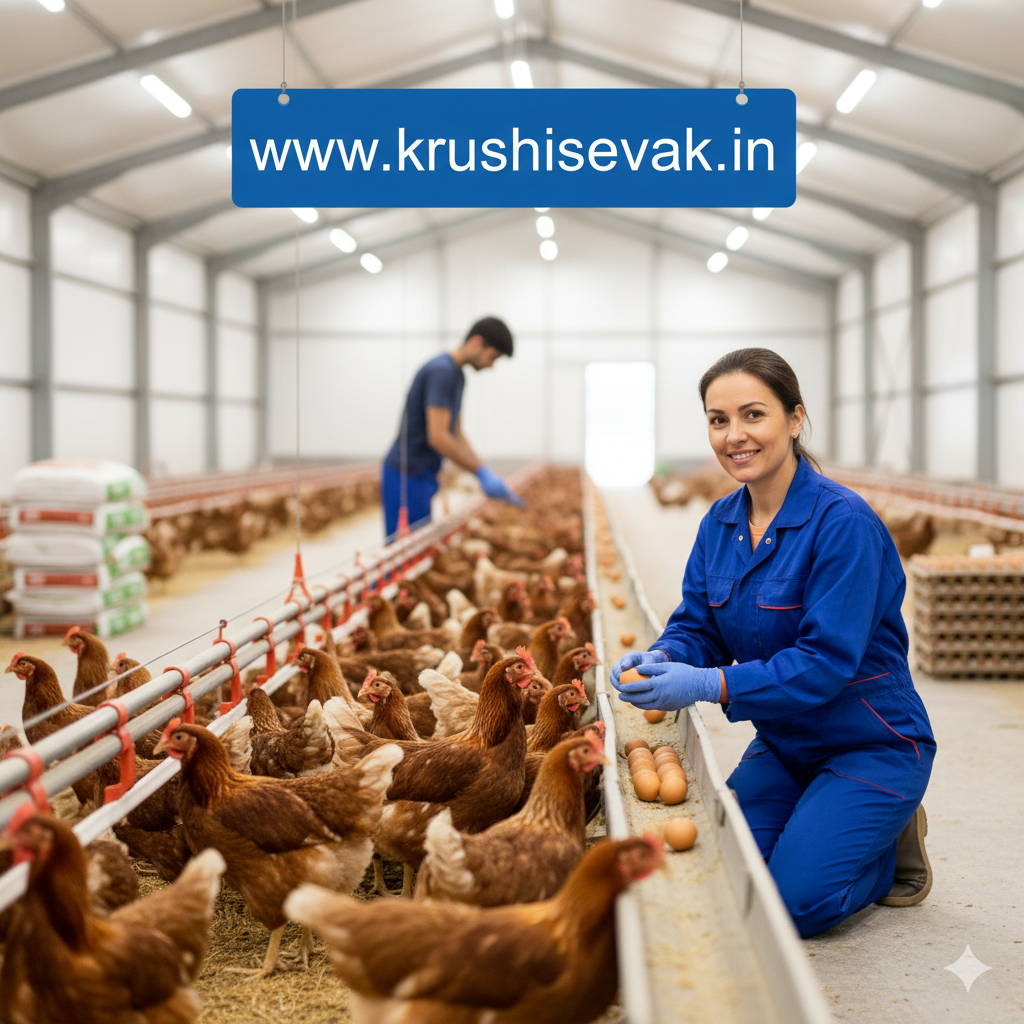

In the modern agricultural economy, relying solely on traditional crop cultivation can expose farmers to high financial risks. Crop yields are deeply vulnerable to shifting weather patterns, seasonal droughts, pest outbreaks, and volatile commodity market prices. To build a more stable financial foundation, integrating an allied agricultural business is one of the most effective strategies available to modern farmers.
Among the various diversified options—such as dairy husbandry, aquaculture, apiculture, and sericulture—poultry farming stands out as an exceptionally viable, high-yield commercial enterprise. Poultry farming involves the structured, scientific rearing of domesticated birds like chickens, ducks, turkeys, and geese for the purpose of harvesting meat or eggs.
When managed as an integrated allied business alongside standard crop farming, poultry operations create a highly efficient, closed-loop circular economy. Crop residues and grain bypass feeds can be repurposed into nutritious poultry feed, while the nutrient-rich poultry manure serves as an exceptional organic fertilizer that restores vital nitrogen, phosphorus, and potassium to the farm’s soil. This integrated approach minimizes external operational costs, creates a consistent daily cash flow, and maximizes the overall profit potential of a single piece of agricultural land.
Sector Classification and Business Models
Before investing capital into infrastructure, an entrepreneur must select a specific operational model based on local market demand, available investment funds, and logistical capacities. The commercial poultry sector is broadly divided into two primary production tracks:
Broiler Farming (Meat Production)
Broiler farming focuses on rearing specialized, fast-growing bird breeds specifically for high-quality meat production.
- The Production Cycle: This model features a rapid capital turnover rate. Modern broiler strains reach their optimal market weight of 2.0 to 2.5 kilograms within a short span of 35 to 42 days.
- Operational Flow: This fast turnaround allows a farm to run 6 to 7 full production cycles (batches) per calendar year, making it an attractive option for entrepreneurs seeking quick returns on investment.
Layer Farming (Egg Production)
Layer farming involves rearing specialized avian breeds designed for commercial egg production.
- The Production Cycle: Layer farming requires a longer-term investment view. The lifecycle is split into a Grower Phase (from day-old chicks up to 18 weeks, during which the birds build physical frame and immunity) and a Layer Phase (from 19 weeks up to 72–78 weeks).
- Operational Flow: A commercial hen begins laying eggs around her 18th to 19th week, hits a peak production efficiency where she lays eggs almost daily, and continues steady production for over a year before being sold as spent hens. This model provides a highly predictable, daily stream of cash income.
Breeding and Hatchery Operations
A highly technical, capital-intensive niche that involves maintaining elite Parent Stock (PS) birds under strict biosecurity protocols. Eggs collected from these facilities are placed in automated commercial incubators and setters to hatch clean, disease-free Day-Old Chicks (DOCs), which are then sold directly to commercial broiler and layer farms.
Core Planning Elements and Infrastructure Architecture
Building a successful, long-term poultry enterprise requires careful attention to structural planning, housing ergonomics, and environmental controls. Poorly designed infrastructure is one of the leading causes of chronic disease outbreaks and high mortality rates on poultry farms.
Site Selection Parameters
The physical location of the farm must balance environmental safety with logistical accessibility:
- Topography and Drainage: The poultry sheds must be constructed on elevated ground to prevent water logging during heavy monsoons. The site must have access to a reliable, clean drinking water source, as an average flock consumes roughly twice the weight of water as they do feed.
- Biosecurity Isolation: To prevent the airborne transmission of endemic pathogens, commercial sheds should be located at least 500 meters away from public highways, residential zones, and other commercial livestock operations.
- Logistical Connectivity: While isolated, the site must remain accessible via reliable roads to ensure feed delivery trucks, veterinary supply networks, and processing distributors can reach the facility year-round without delays.
Structural Housing Configurations
Modern commercial poultry housing falls into two main architectural styles:
Open-Sided Deep Litter Sheds
This cost-effective, traditional design is well-suited for tropical regions. The long walls of the shed are built to a height of just 1 foot, with the remaining vertical space secured with durable wire mesh to maximize natural cross-ventilation. The floor is covered with a 3-to-5-inch layer of clean, dry absorbent material, such as rice husks or sawdust, which absorbs bird droppings and must be managed regularly to prevent moisture buildup.
Environmentally Controlled (EC) Houses
For large-scale, industrial operations, EC houses represent the modern standard. These sheds are fully sealed, insulated structures where automated systems control internal climate conditions.
- Cooling Systems: Large exhaust fans at one end pull air through wet cellulose cooling pads at the opposite end, using evaporative cooling to lower internal temperatures.
- Efficiency Benefits: By keeping humidity, temperature, and lighting at optimal levels, EC housing significantly reduces bird stress, lowers feed conversion ratios, and optimizes overall growth rates.
Orientation and Environmental Ergonomics
In tropical climates, poultry houses must be oriented along a strict East-to-West long axis. This positioning ensures that the long side-walls are shielded from direct, intense morning and afternoon sun exposure, which helps reduce solar heat load and prevents heat stroke inside the flock.
The standard structural width of an open-sided house should be capped at 30 feet; exceeding this width can restrict natural airflow through the center of the shed, leading to dangerous pockets of stagnant air and toxic ammonia buildup.
Nutritional Management and Feed Conversion
Feed management represents the largest ongoing operational cost in poultry farming, often accounting for 65% to 75% of total running expenses. Achieving a highly competitive Feed Conversion Ratio (FCR)—the measure of how efficiently a bird converts feed mass into live body weight or egg output—is critical to the farm’s financial success.
Feed Composition and Ingredient Metrics
Poultry diets must be precisely balanced with energy carbohydrates, crude proteins, essential amino acids, minerals, and micro-nutrients:
- Energy Foundations: Sourced primarily from high-quality yellow maize, broken wheat, or pearl millet.
- Protein Anchors: Sourced from solvent-extracted soybean meal, groundnut cake, or marine fish meal to support fast muscle development and egg formation.
- Micro-Nutrient Additives: Balanced additions of dicalcium phosphate, limestone powder (vital for strong eggshell formation in layers), synthetic methionine, lysine, and specialized enzyme complexes that improve digestion.
Phase-Specific Dietary Regimens
A bird’s nutritional needs change as it grows, requiring a phased feeding schedule to support development without wasting expensive nutrients:
- Broiler Pre-Starter (Days 1–10): A high-protein feed (roughly 22–23% crude protein) with easy-to-digest nutrients that support early immune development and organ growth.
- Broiler Starter (Days 11–21): Balanced feed focused on skeletal framework development and muscle foundation growth.
- Broiler Finisher (Day 22 to Market Disbursal): A high-energy diet with slightly lower protein levels, designed to maximize fat and muscle weight before marketing.
Health Safeguards and Biosecurity Protocols
Poultry birds raised in high-density environments are highly vulnerable to viral, bacterial, and parasitic infections. Implementing a proactive biosecurity and health plan is essential for preventing catastrophic flock mortality.
Strict On-Farm Biosecurity Rules
- Sanitation Interventions: Install mandatory tire-dipping baths filled with broad-spectrum disinfectants at the farm’s main entry gate. Anyone entering a poultry shed must pass through a foot-bath and wash their hands thoroughly.
- The “All-In, All-Out” Management Method: This practice involves sourcing a single batch of day-old chicks, raising them together, and harvesting the entire shed at the same time. Once the shed is empty, operators have a dedicated 14-day window to scrape away old litter, pressure-wash the walls with sanitizers, flame-sanitize the floors, and allow the house to dry completely before introducing the next batch. This break stops the disease cycle from passing from an old flock to vulnerable new chicks.
- Water Sanitation: Drinking water must be regularly treated with chlorine or specialized water sanitizers to eliminate waterborne pathogens like E. coli and Salmonella, which can cause severe digestive issues and stunt growth.
Standard Vaccination Protocol
A rigorous, proactive vaccination schedule must be maintained to build strong immunity against common, highly contagious poultry diseases:
- Day 1 (Hatchery/Farm): Administration of Marek’s Disease vaccine via subcutaneous injection, along with early respiratory protection.
- Day 5–7: Ranikhet Disease (Newcastle Disease – Lasota Strain) administered via ocular or nasal drops to build early respiratory and nervous system immunity.
- Day 12–14: Infectious Bursal Disease (Gumboro – Intermediate Strain) vaccine administered through clean drinking water to protect the bird’s immune organs.
- Day 24–28: A booster dose of the Newcastle Disease (Lasota) vaccine to maintain long-term immunity through the final growth phase.
Operational Workflow and Daily Management
Running a commercial poultry farm requires consistent, disciplined daily management to spot health issues early and keep production on track.
Preparing for New Chicks (Brooding Setup)
Before the day-old chicks arrive, operators must set up a specialized Brooding Zone within the cleaned shed. This area uses cardboard brooder guards to keep chicks close to vital heat sources, such as electric brooder lamps or gas hovers. The floor is lined with clean newspaper sheets to prevent chicks from eating the raw litter material below.
The internal temperature of the brooding circle must be maintained at an optimal 35°C (95°F) during the first week, then lowered by roughly 3°C each subsequent week as the chicks develop their natural feathers.
Daily Shed Maintenance Routine
- Flock Inspection: Walk through the sheds slowly multiple times a day to observe bird behavior. Healthy birds move around actively, make steady noises, and gather around feeders. If birds are huddling tightly under heaters, the room is too cold; if they are panting heavily with open mouths against the walls, the shed is experiencing dangerous heat stress.
- Equipment Upkeep: Clean and flush all automatic bell drinkers or nipple drinking lines daily to prevent harmful biofilm growth. Adjust feeder heights regularly so they align with the birds’ breast levels, minimizing feed wastage from scratching.
- Litter Management: Stir the deep litter material once or twice a week using a rake to keep it dry and loose, which helps prevent caking and limits the release of toxic ammonia gas.
Market Dynamics and Supply Chain Models
The financial success of a poultry business depends heavily on choosing the right marketing and supply chain model for your region.
The Independent Production Framework
Under this traditional model, the farmer retains full ownership of the entire production process—purchasing day-old chicks, buying feed, funding veterinary care, and managing all operational risks independently. When the birds reach market weight, the farmer negotiates prices directly with local wholesalers, open-market traders, or retail butchers. While this model offers the highest profit margins when market prices are strong, it exposes the farmer to significant financial losses if feed costs rise or market prices drop suddenly.
Integrated Contract Farming
To minimize market and production risks, many modern poultry farmers partner with large agribusiness integration companies through a structured Contract Farming Agreement.
Under this collaborative model, the responsibilities are shared clearly:
- The Integration Company Provides: Day-old chicks, balanced feed rations, standard vaccines, and regular guidance from professional veterinary supervisors at no upfront cost to the farmer.
- The Farmer Provides: The physical land, approved poultry housing infrastructure, electricity, water, and daily labor.
- The Payment Model: The farmer is insulated from open-market price drops. Instead, they earn a stable, guaranteed Growing Charge per kilogram of live meat produced, along with performance incentives for hitting exceptional FCR targets or keeping mortality rates low. This model provides highly predictable returns, making it an excellent choice for new entrepreneurs.
Financial Planning and Investment Strategies
Launching a commercial poultry business requires substantial upfront capital, but structured planning can help optimize your return on investment.
- Capital Infrastructure Investments: This covers long-term assets like land acquisition, building durable concrete and steel poultry sheds, installing automated feeding systems, setting up backup diesel generators, and building clean water storage tanks.
- Operational Working Capital: This covers the fluid cash needed to run your daily operations, including purchasing day-old chicks, feed inventories, vaccines, labor wages, and utility bills.
- Accessing Government Incentives and Financing: Many regional governments and agricultural development banks offer supportive financing for new poultry ventures. Programs like the Animal Husbandry Infrastructure Development Fund (AHIDF) or credit-linked subsidies through institutions like NABARD provide access to low-interest loans, grace periods on repayments, and substantial capital grants, helping lower the barrier to entry for new farmers.
Summary of Best Practices for Beginners
For agricultural entrepreneurs and crop farmers looking to add a poultry enterprise to their operations, following these core practices can help ensure a smooth, profitable market entry:
- Start with a Manageable Flock Size: Begin with a modest batch size (e.g., 2,000 to 3,000 broilers) to learn the practical details of bird management, brooding, and local disease control before investing in massive industrial scaling.
- Prioritize Biosecurity Over Treatment: It is far more cost-effective to prevent disease through strict sanitation, foot-baths, and timely vaccinations than it is to treat a sick flock after an infection takes hold.
- Keep Meticulous Farm Records: Maintain daily, accurate logs tracking feed consumption, water intake, weight gains, and daily mortality rates. This detailed data helps you spot health issues early and highlights where you can improve feed efficiency.
- Secure Your Offtake Channels Early: Establish solid relationships with contract integration networks or local wholesalers before your chicks arrive, ensuring you have a reliable buyer ready the day your flock reaches market weight.