
In modern agriculture, crop productivity is directly tied to soil health and nutrient management. As the global population expands, the demand for chemical, organic, and bio-fertilizers continues to escalate. However, establishing a standalone fertilizer production or distribution enterprise can be challenging due to high capital requirements, complex regulatory environments, and volatile raw material supply chains.
A Joint Business Model offers a highly effective solution. By combining resources—such as local agricultural cooperatives partnering with corporate chemical manufacturers, or tech-driven distributors teaming up with manufacturing investors—partners can mitigate capital risks, secure raw materials, streamline distribution networks, and establish a highly profitable, scalable enterprise.
1. The Core Philosophy of a Joint Fertilizer Venture
A joint business model in the fertilizer sector brings together complementary strengths from different stakeholders to build a highly efficient supply chain.
The Strategic Partners
In a typical joint fertilizer venture, the business entity is formed by uniting two distinct types of partners:
- The Technical or Manufacturing Partner: This side provides industrial manufacturing expertise, chemical formulation blueprints, specialized machinery, and established access to international raw material markets (such as phosphate rock, potash, or ammonia).
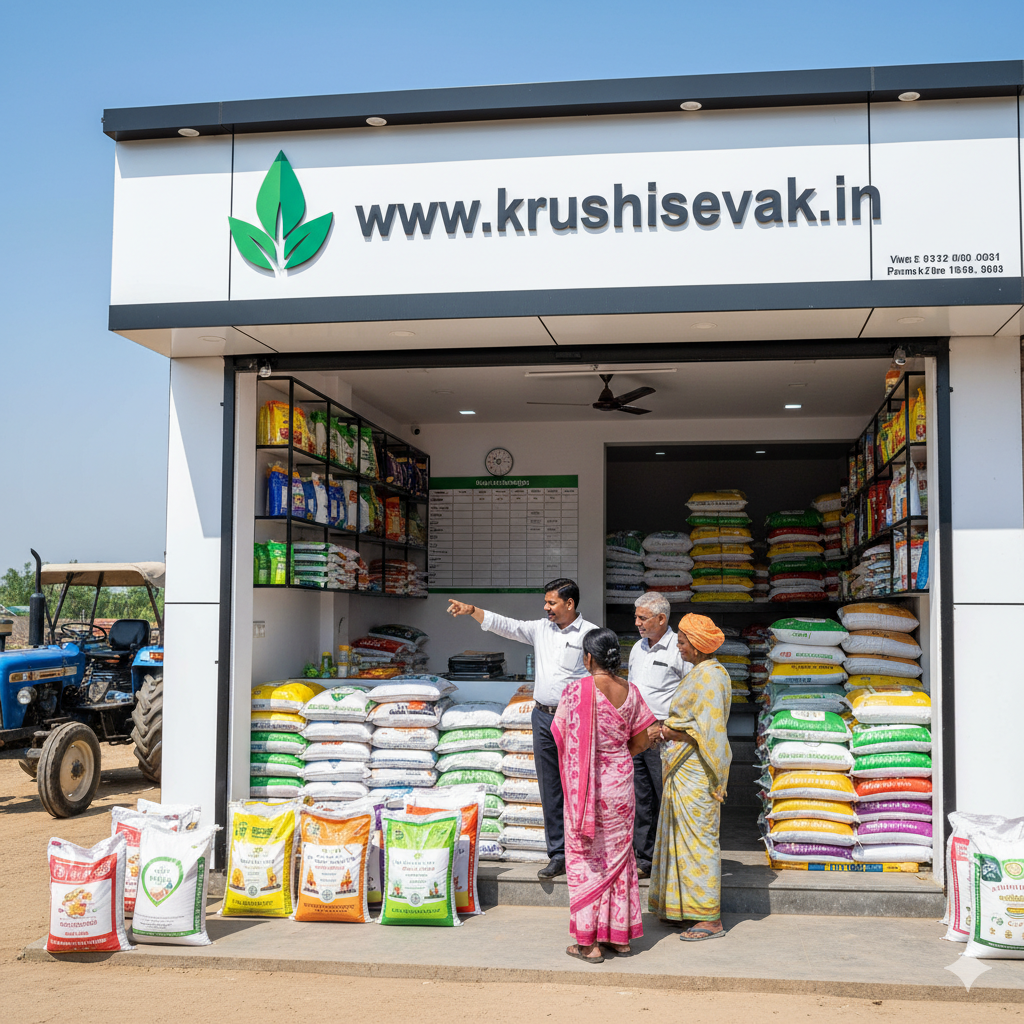
- The Localization or Distribution Partner: This side comprises large-scale Farmer Producer Organizations (FPOs), regional agricultural cooperatives, or established retail networks. They provide local real estate for warehousing, established trust within the farming community, regulatory licensing support, and deep insights into regional soil profiles and crop demands.
Structural Advantages
By combining forces, the business eliminates the “middleman premium,” allowing it to supply high-quality fertilizers to farms at competitive prices while capturing strong manufacturing margins. It also solves a major problem for independent factories: the risk of producing fertilizer varieties that do not match the immediate, seasonal needs of local soil ecosystems.
2. Market Segments and Product Portfolio
A joint fertilizer business can diversify its operations across three primary product categories based on market demands and available manufacturing infrastructure.
Chemical (Inorganic) Fertilizers
These remain the most widely consumed plant nutrients globally, driven by their rapid action and precise formulations.
- Nitrogenous Fertilizers: Products like Urea and Ammonium Nitrate, which stimulate vegetative leaf growth.
- Phosphatic Fertilizers: Products like Diammonium Phosphate (DAP) and Single Super Phosphate (SSP), which are essential for robust root development and early plant maturity.
- Potassic Fertilizers: Muriate of Potash (MOP), which builds crop immunity, improves water retention, and enhances fruit quality.
Organic and Bio-Fertilizers
With the global rise in sustainable agriculture, organic options represent the fastest-growing market segment.
- Enriched Compost and Vermicompost: Sourced by setting up manufacturing units near livestock zones or food-processing hubs.
- Microbial Inoculants (Bio-fertilizers): Formulations containing living microorganisms, such as Rhizobium, Azotobacter, and Phosphate Solubilizing Bacteria (PSB). These naturally fix atmospheric nitrogen or solubilize soil phosphorus, lowering input costs while restoring long-term soil health.
Customized and Micronutrient Blends
Modern farming focuses heavily on precision agriculture. The joint business can build a competitive edge by manufacturing customized NPK blends fortified with vital micronutrients like Zinc, Boron, Iron, and Sulphur, tailored specifically to regional soil testing data.
3. Operational Lifecycles: Sourcing, Production, and Logistics
The operational workflow of a joint fertilizer business moves through a highly integrated industrial pipeline, requiring strict coordination between partners.
Stage 1: Raw Material Sourcing and Supply Security
The manufacturing partner takes the lead in securing raw materials. Chemical manufacturing requires large-scale access to natural gas or ammonia (for nitrogen-based compounds), sulfur, rock phosphate, and potassium salts.
In organic and bio-fertilizer ventures, sourcing shifts toward securing long-term contracts with sugar mills (for press mud), distilleries (for spent wash), dairy farms (for livestock manure), or municipal solid waste processors.
Stage 2: Manufacturing and Blending Operations
Production methods vary based on the selected business scale:
- Granulation Units: Raw chemical powders are blended, bound, and transformed into uniform, dust-free granules that are easy for farmers to apply manually or via mechanized seed-drills.
- Liquid and Water-Soluble Blending: High-end fertilizers designed specifically for modern drip-irrigation (fertigation) and foliar spraying systems.
- Bio-Fertilizer Fermentation: Utilizing industrial bioreactors to cultivate pure microbial strains under strictly sterile laboratory conditions, followed by mixing them into carrier mediums like lignite or peat powder.
Stage 3: Packaging and Environmental Safety
Fertilizers are highly hygroscopic, meaning they readily absorb moisture from the air, which can cause clumping and chemical degradation. The joint enterprise must invest in automated, heavy-duty packaging systems that utilize multi-layered, moisture-proof woven polypropylene (PP) bags with internal low-density polyethylene (LDPE) liners.
Stage 4: Strategic Warehousing and Just-In-Time Logistics
Fertilizer consumption is highly seasonal, with demand peaking during pre-sowing and early crop growth windows. The distribution partner manages regional warehouses located close to farming clusters. This ensures that massive inventories can be deployed rapidly to farms right when the season demands, avoiding costly transportation bottlenecks during peak agricultural windows.
4. Financial Planning, Investment Capital, and Revenue Generation
A joint fertilizer business requires a well-structured financial blueprint to navigate high upfront capital expenses and seasonal cash flows.
Capital Allocation Strategy
- Fixed Capital (Infrastructure): This includes purchasing industrial land, building specialized corrosion-resistant warehouses, installing granulation loops, setting up air-scrubbers for emissions management, and establishing an on-site quality control laboratory.
- Working Capital (Inventory Management): Significant funds must be allocated to secure bulk raw materials 3 to 6 months before the peak cropping season arrives.
Shared Financial Responsibility Model
In an equity-based joint venture, the manufacturing corporation often finances 60% to 70% of the heavy industrial plant and machinery. The local cooperative or distribution partner contributes the remaining share through real estate allocation, local warehouse construction, and financing localized transport fleets.
Diversified Revenue Streams
To smooth out seasonal cash flow dips, the joint venture can generate revenue through multiple avenues:
- Direct Bulk Sales: Volume-driven product sales directly to corporate plantation estates, contract farming companies, and agricultural retail dealers.
- Soil Testing and Prescription Blending Services: Charging a premium for providing custom, data-driven nutrient formulations to farmers based on individual field soil health reports.
- Equipment Leasing: Renting out specialized fertilizer application machinery, such as tractor-mounted broadcasters or agricultural drones for precise foliar spraying.
5. Regulatory Approvals, Compliance, and Quality Control
The fertilizer sector is heavily regulated to protect farmers from counterfeit products and ensure environmental safety. Navigating these requirements is a primary responsibility of the local joint partner.
- Manufacturing and Trading Licenses: Operating requires obtaining official industrial clearance certificates from the regional Ministry of Agriculture or dedicated Fertilizer Control Departments.
- Quality Standard Adherence: Every batch of fertilizer manufactured must match strict regulatory parameters regarding minimum nutrient content, maximum moisture limits, and permissible heavy metal tolerances. The on-site QA laboratory must test every production batch before it leaves the factory doors.
- Environmental Clearances: Chemical granulation and ammonia handling units generate airborne dust and gaseous emissions. The facility must comply with local pollution control board guidelines by installing high-efficiency cyclone separators, dust extractors, and wastewater treatment loops.
6. Marketing, Extension Services, and Building Farmer Trust
A fertilizer product cannot succeed on pricing alone; it requires deep engagement and trust within the farming community. The joint business leverages the distribution partner’s local footprint to execute targeted marketing campaigns.
The Educational Sales Model
Modern farmers are increasingly moving away from generic fertilizer application toward input optimization. The joint venture can establish its brand by offering comprehensive agricultural extension services:
- Demonstration Plots: Partnering with select progressive farmers to set up visible demonstration plots within villages, showcasing the yield differences achieved by using the venture’s specialized nutrient lines compared to traditional methods.
- Mobile Soil Testing Vans: Deploying custom vans equipped with portable soil analyzers directly to village centers, providing instant, actionable soil health cards and linking the results directly to product recommendations.
Digital Supply Chain Integration
Implementing a transparent digital distribution network helps prevent black-market hoarding during peak seasons. By deploying simple mobile applications, local dealers and cooperative societies can pre-order inventory, track shipments in real-time, and pass digital discount subsidies directly to farmers’ bank accounts.
7. Major Risks and Mitigation Frameworks
Like any chemical or commodity-based manufacturing business, a joint fertilizer enterprise faces distinct market and environmental risks.
Challenge 1: Raw Material Price Volatility
The prices of core inputs like urea, natural gas, and sulfur are tied directly to global energy markets and currency exchange rates, making them prone to sudden price spikes.
Mitigation: The manufacturing partner should establish long-term, fixed-price procurement contracts with international suppliers or diversify the product line by scaling up organic and bio-fertilizer segments that rely entirely on localized waste materials.
Challenge 2: Environmental Backlash and Soil Degradation
Overuse of chemical fertilizers can cause soil acidification, groundwater pollution, and eutrophication of local water bodies.
Mitigation: The joint venture should champion an Integrated Nutrient Management (INM) framework, actively marketing balanced packages that combine chemical inputs with organic compost and bio-fertilizers to sustain long-term soil health.
Challenge 3: Extreme Weather and Seasonal Shifts
Severe droughts or delayed monsoons can disrupt planting schedules, causing a sudden drop in seasonal fertilizer demand and leaving the company with high inventory holding costs.
Mitigation: Maintain highly flexible, modular manufacturing schedules, and build dry-storage warehousing networks capable of safely holding unsold inventory for extended periods without product degradation.
Conclusion
Launching a joint business for farming centered on fertilizers is a highly lucrative venture that directly supports global food security. While independent entry into this market presents high financial, regulatory, and supply chain barriers, the joint business model offers a strategic way forward.
By pairing the industrial infrastructure and raw material access of a manufacturing corporation with the local networks, logistical reach, and community trust of regional farming cooperatives, the joint enterprise creates a highly resilient business model. Managed with strict quality control, proactive soil testing, and a balanced, sustainable product portfolio, a joint fertilizer business can capture steady market share and drive long-term agricultural prosperity.