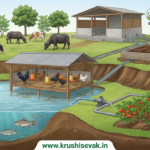
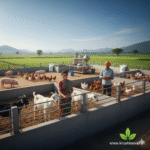
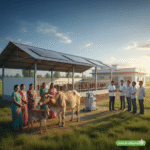
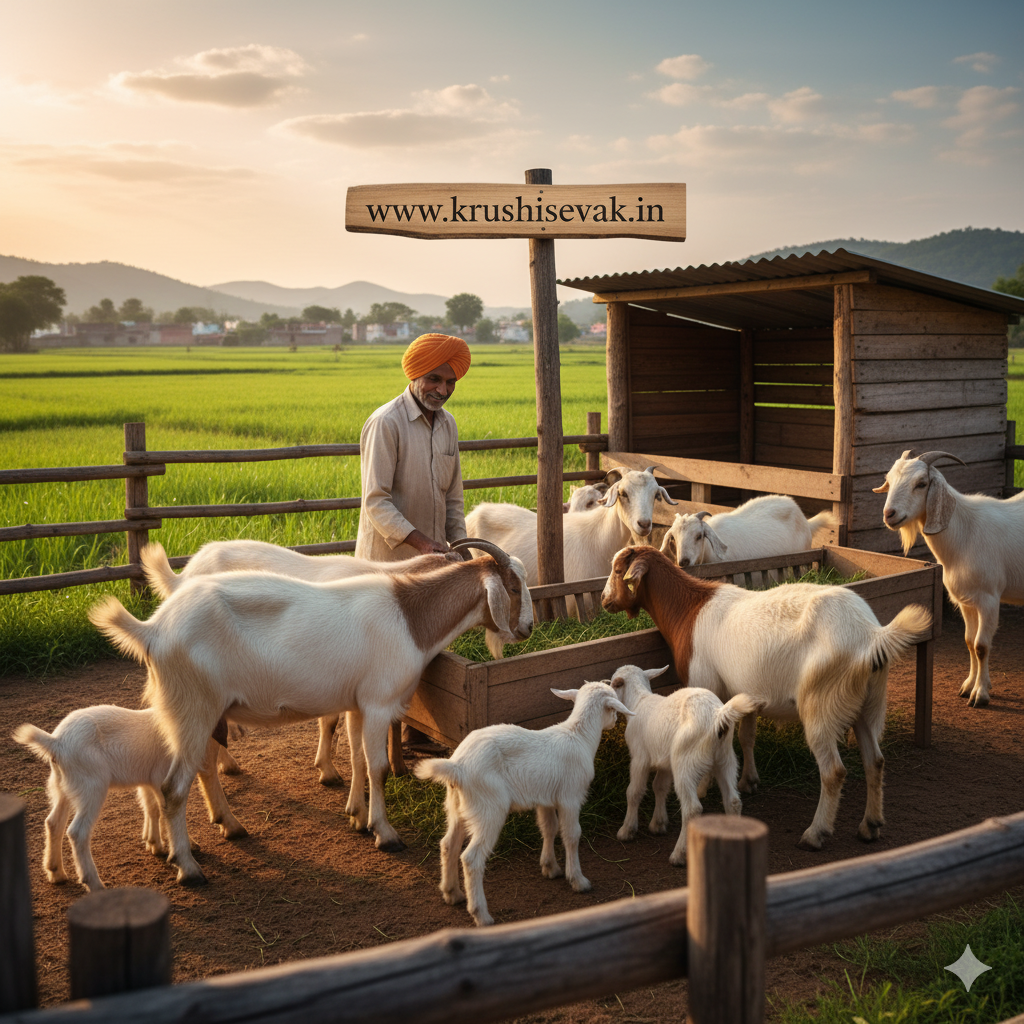
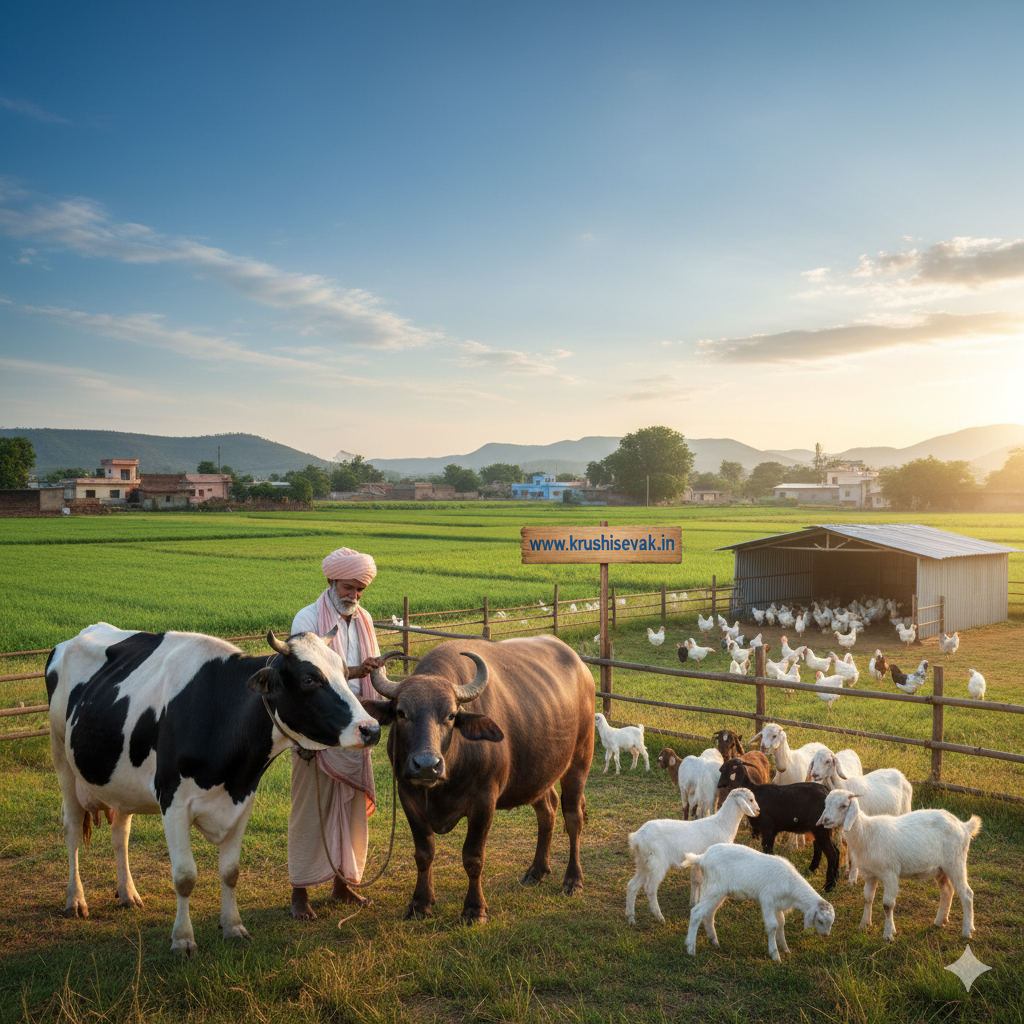
Goat rearing, often hailed as the "poor man’s cow," plays a transformative role in the rural economy of India. It serves as a resilient and highly profitable livelihood option for…
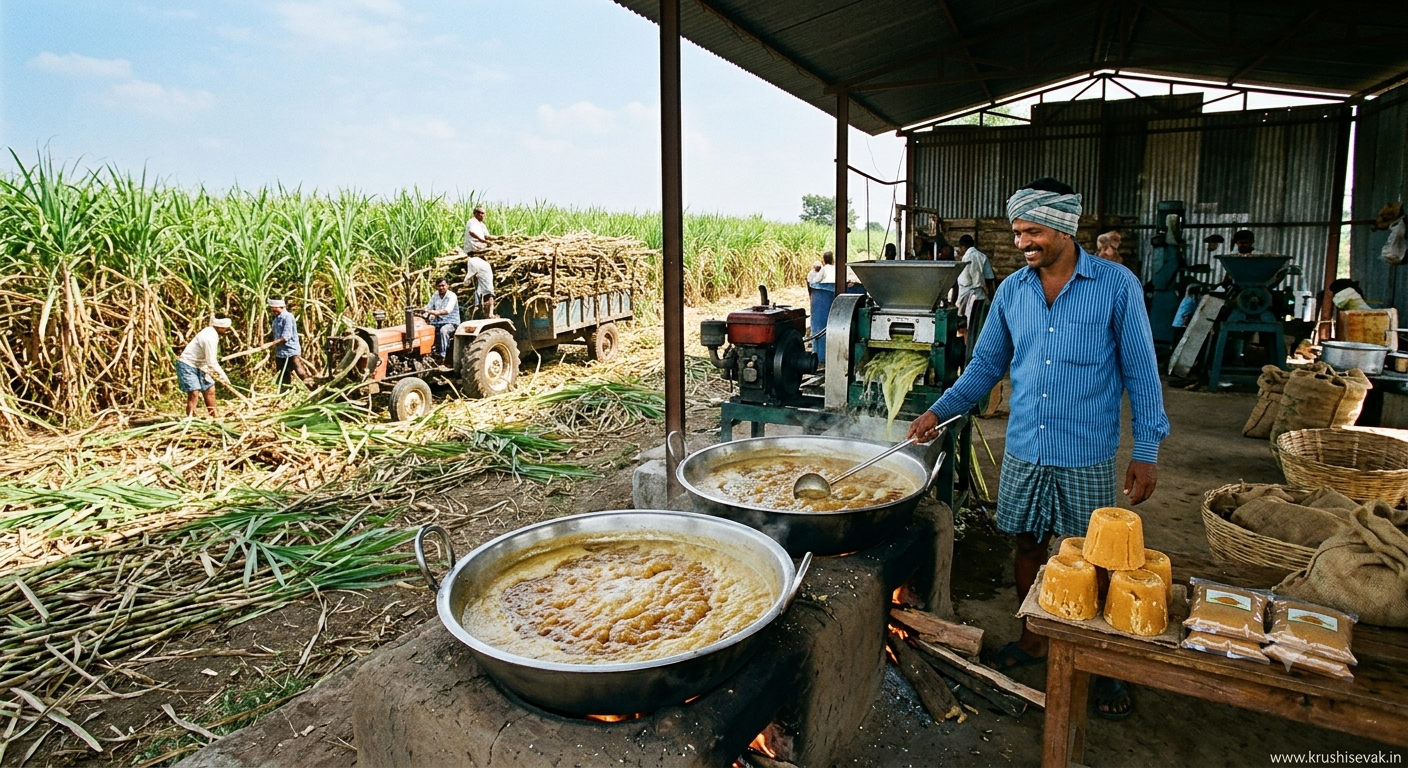
The animal husbandry, dairying, and fisheries sectors are critical components of the Indian agrarian economy. They provide secondary income, generate employment, and offer nutritional security to millions of rural households.…
Introduction Ensuring equitable access to higher and professional education remains a primary developmental focus for the Government of Maharashtra. To minimize economic disparities and uplift meritorious students from historically underrepresented…
Introduction In today’s competitive academic landscape, higher education acts as a vital tool for social mobility and economic empowerment. To ensure that financial limitations do not hinder the ambitions of…
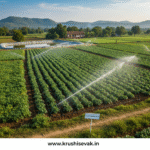
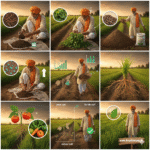
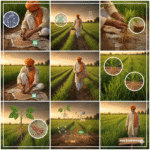
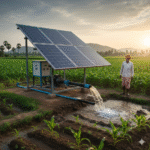
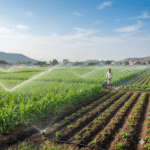
Rainfed agriculture constitutes a major portion of Maharashtra's cultivable land, particularly in the drought-prone regions of Marathwada and Vidarbha. Relying solely on unpredictable monsoon rains exposes small and marginal farmers…
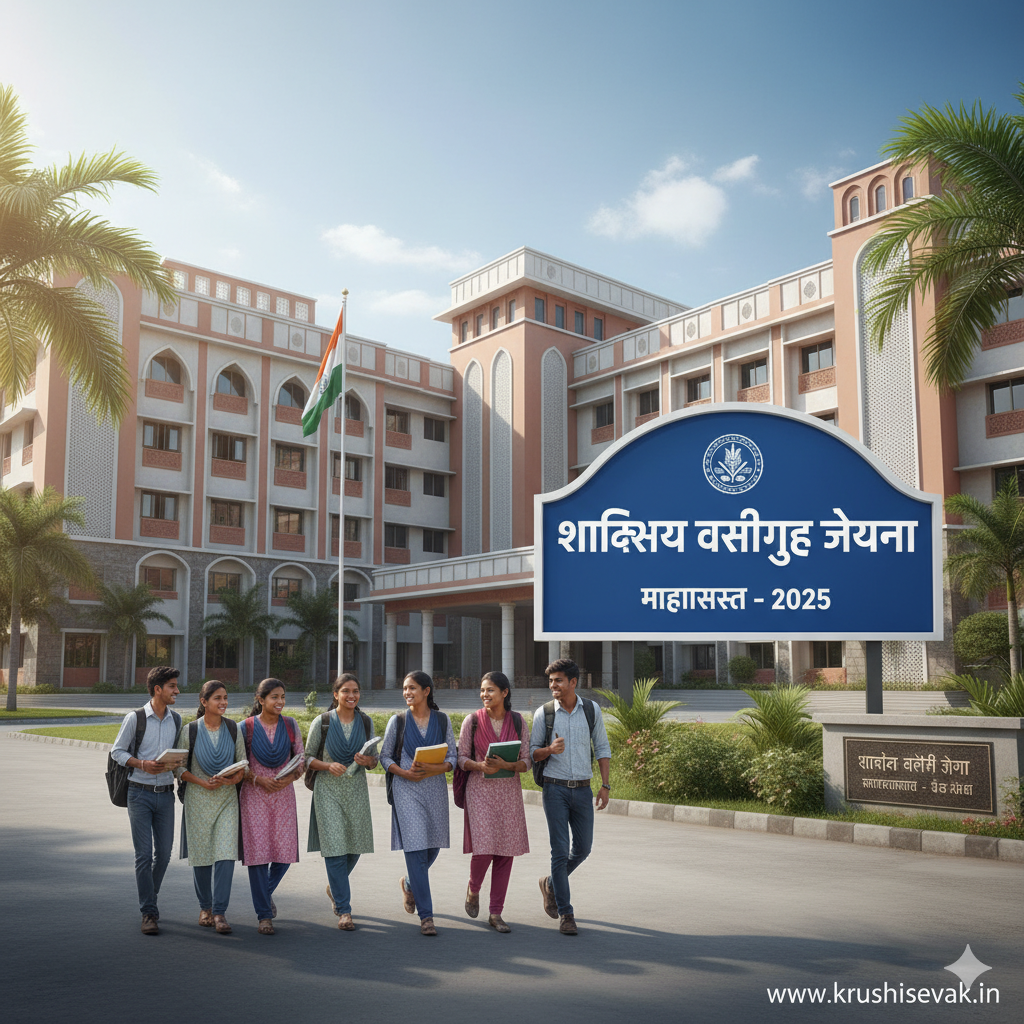
The government of Maharashtra has consistently prioritized the expansion and modernization of its educational infrastructure. In line with the National Education Policy (NEP), the state has expanded its framework for…
The Government of Maharashtra, through its dedicated Minority Development Department, implements a diverse framework of welfare programs. These initiatives actively support the socio-economic, educational, and structural development of the state's…
Introduction The Government of Maharashtra has long been committed to fostering higher education and ensuring that socio-economic barriers do not prevent meritorious students from achieving their academic dreams. One of…
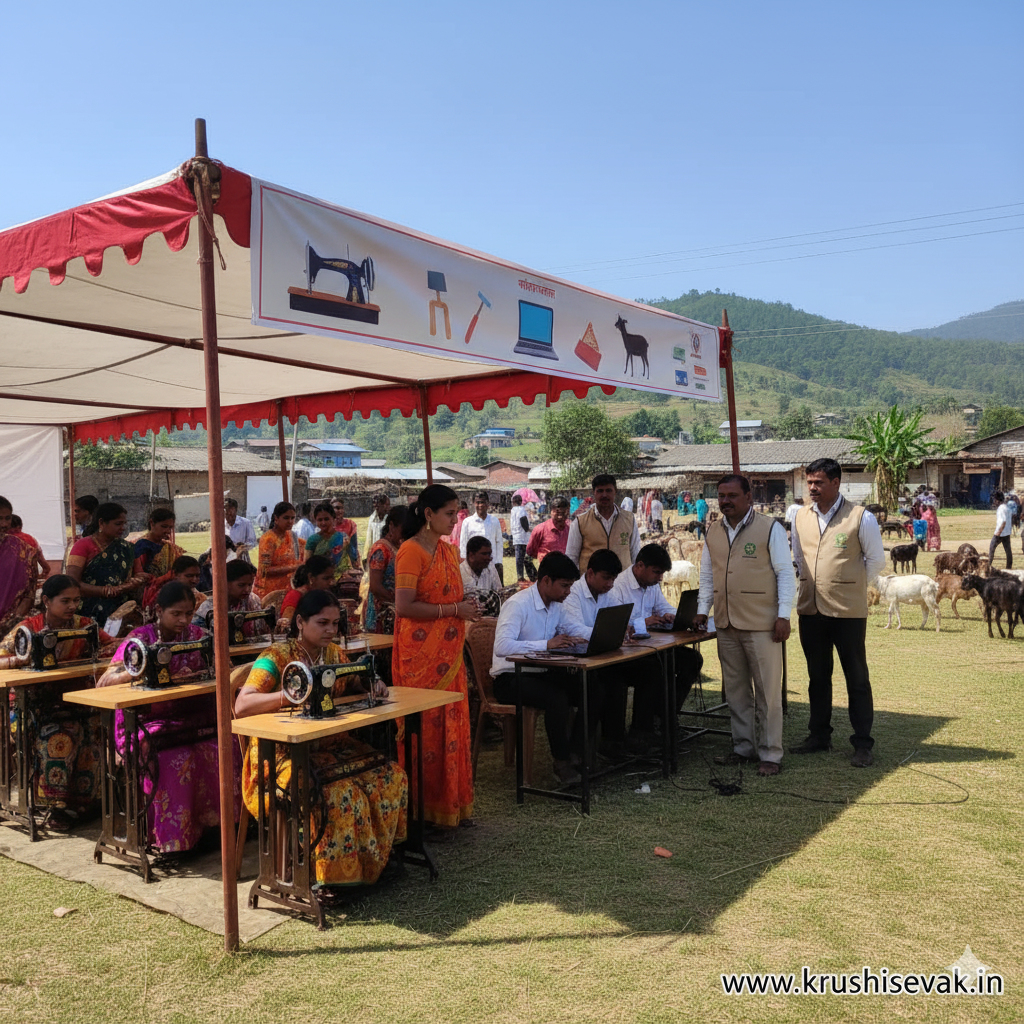
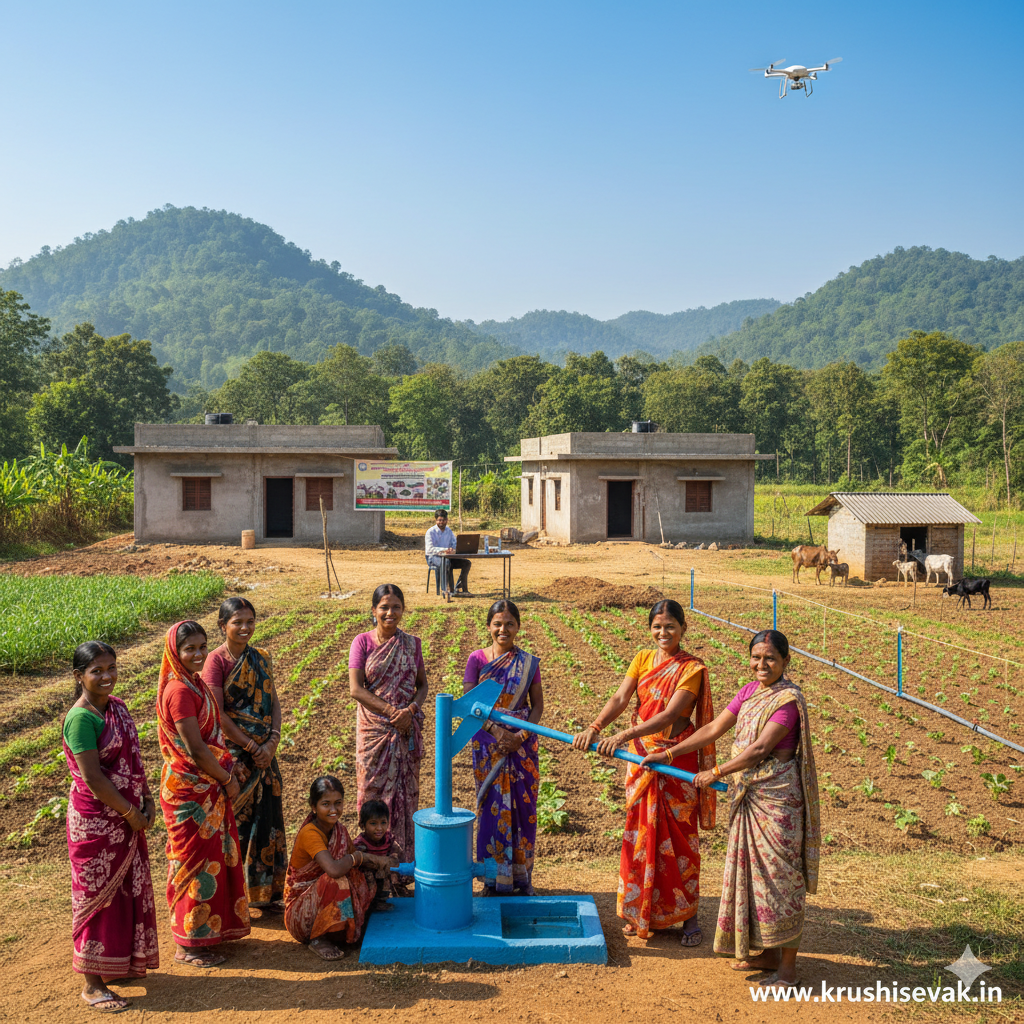
The socioeconomic development of indigenous communities requires a flexible approach. Because Scheduled Tribe (ST) communities reside in diverse geographical conditions—ranging from the deep forest terrains of Gadchiroli to the hilly…
The socioeconomic upliftment of indigenous populations requires focused policy interventions, particularly for groups facing extreme geographic isolation and developmental stagnation. Within the broader classification of Scheduled Tribes (STs) in India,…